
California Real Estate Case Studies
Court decisions explained by a Glendale real estate law firm
Each case study explains a published California or federal court decision, statute or resolved dispute: what happened, what the court decided, and what it means for property owners, buyers, sellers, landlords, tenants and businesses in Glendale and across Los Angeles County.
Case studies, page 3 of 3
Cases 19 to 23 of 23, newest first
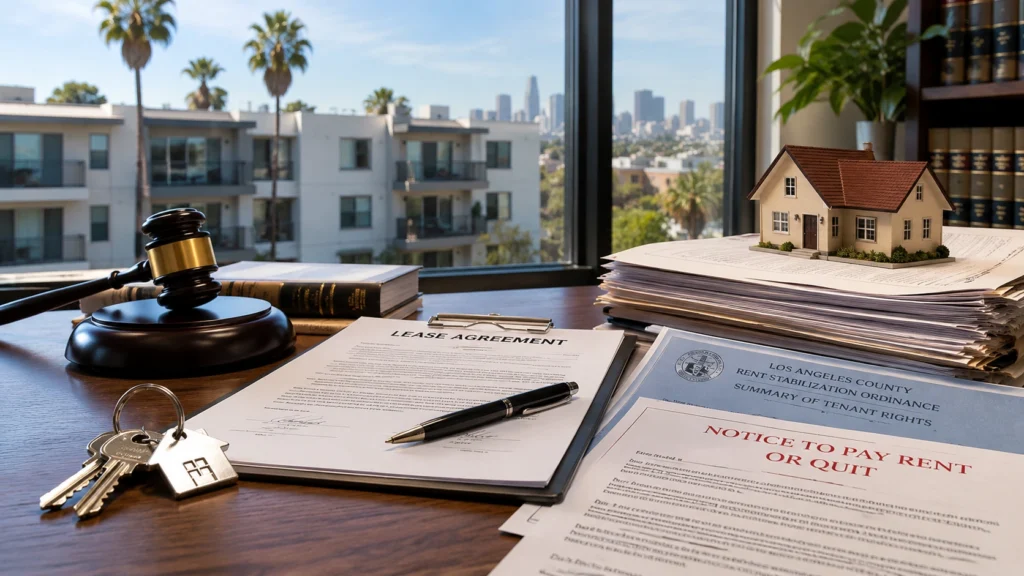
California Apartment Assn. v. City of Pasadena (2025)
Two provisions of Pasadena's Measure H were struck down, while its rent caps and just-cause eviction protections remain in effect.
Landlord, tenant and rent controlCal. Court of Appeal
Seller refuses to close: specific performance
California presumes money cannot replace a specific property, so a buyer can sue to force a seller who backs out after accepting an offer to close.
Purchase, title and foreclosureCivil Code § 3387
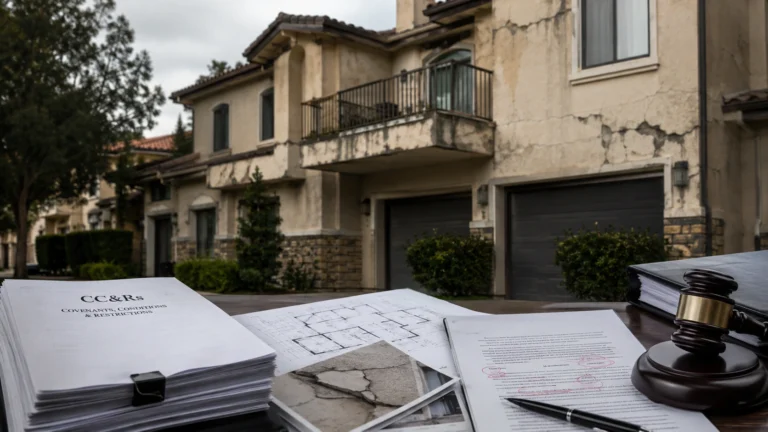
Aldea Dos Vientos v. CalAtlantic Group (2020)
A CC&R clause the developer wrote to block the HOA's $5.6 million defect claim was held unconscionable and void.
Construction defectsCal. Court of Appeal
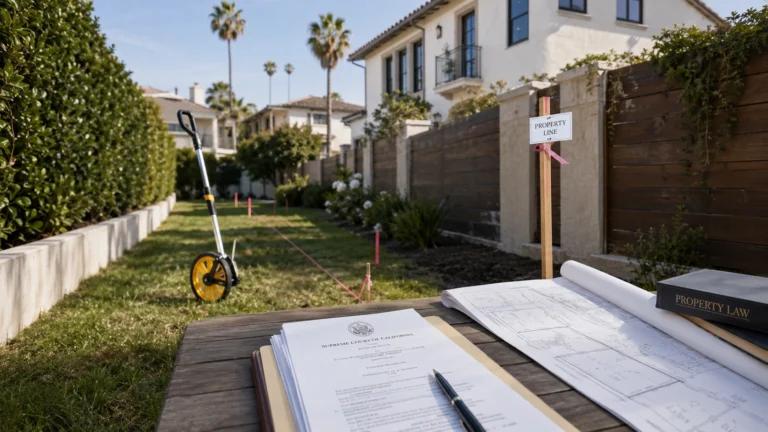
Romero v. Shih (2024)
An implied easement can be recognized even when it leaves the owner with little practical use of the strip of land it covers.
Easements and boundariesCal. Supreme Court
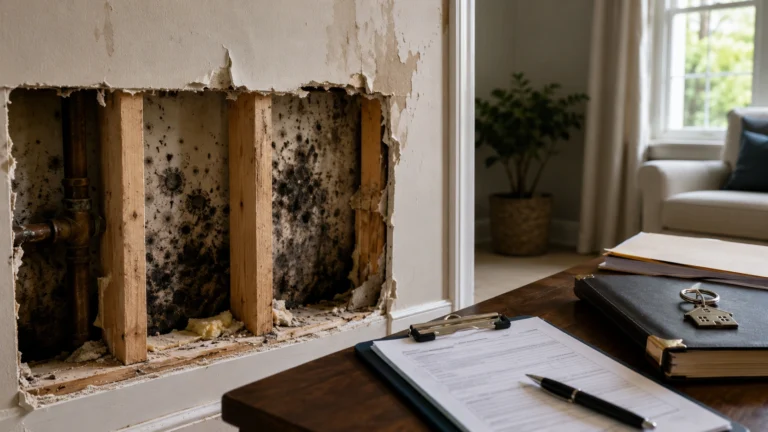
Hidden mold and a failed disclosure
A repaired leak left off the Transfer Disclosure Statement became a concealed-mold claim after closing, and the dispute settled for $450,000.
Disclosure, mold and habitabilitySettled dispute


Facing a property dispute like one of these cases?
DiJulio Law Group represents owners, buyers, sellers, landlords and businesses in real estate disputes and transactions from its office on North Brand Boulevard in Glendale. Bring the documents you have, and we will tell you where your matter stands under California law.
These case studies are general information about published decisions, statutes and resolved disputes. They are not legal advice for any specific matter, and reading them does not create an attorney-client relationship. Outcomes depend on the facts of each case.